Walmart Mobile Web
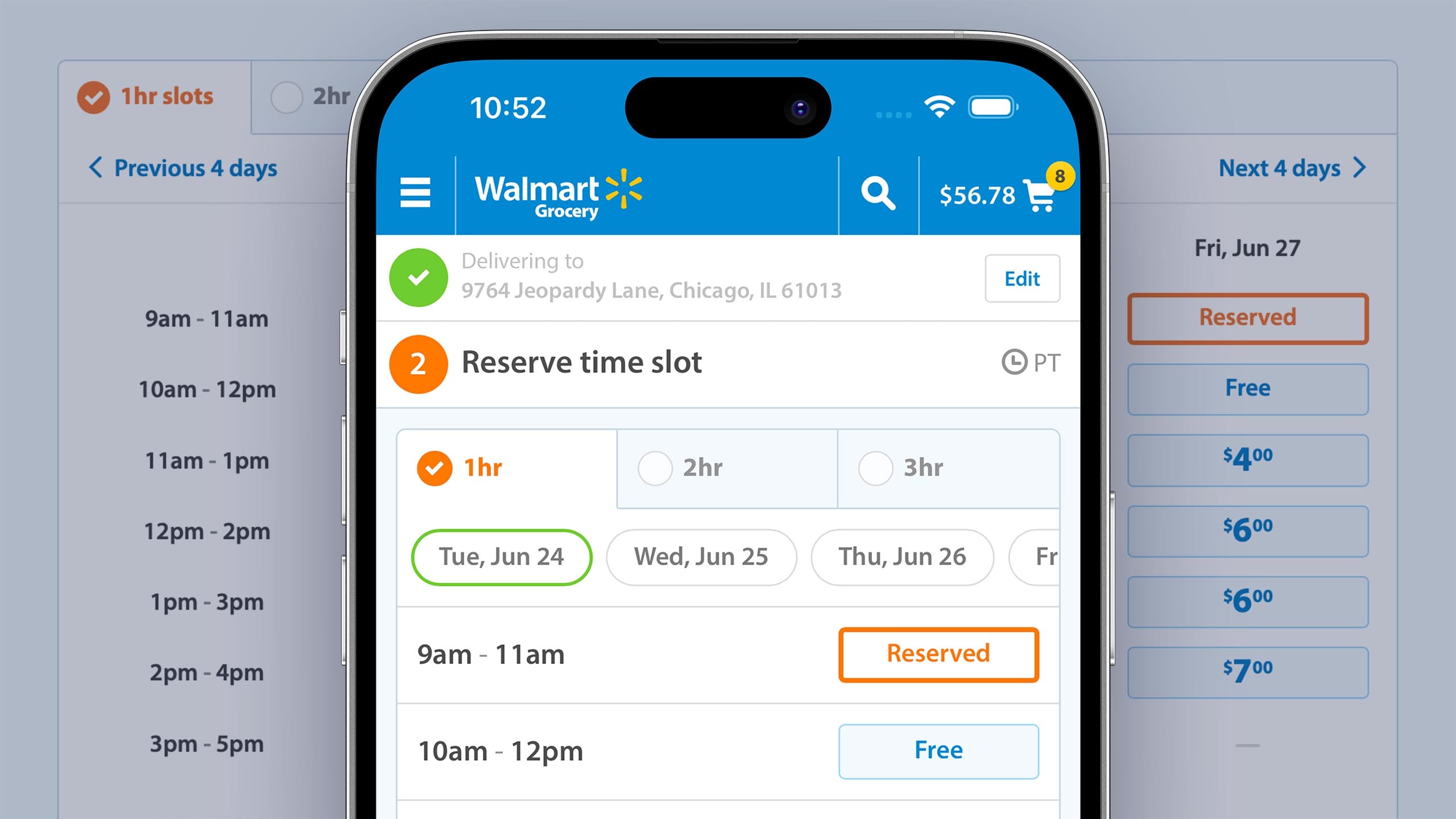
I contributed to the mobile web checkout and grocery delivery experience, ensuring the design system supported complex transactional flows and scaled across devices to handle millions of daily orders.
Case study
Building · Scaling · Evolving
Design systems have been a through-line in my career — from hand-building atomic systems at Cloud Four to scaling a component library across a product org to re-theming an entire product with agent tools and semantic tokens. The tools have changed dramatically. The underlying thinking hasn't.
At Cloud Four, enterprise clients came to us for responsive redesigns of their web applications. We delivered foundations they could use to build and grow their product into the future: cohesive atomic design systems with built-in component libraries, page builders and prototyping tools.
I contributed to the mobile web checkout and grocery delivery experience, ensuring the design system supported complex transactional flows and scaled across devices to handle millions of daily orders.
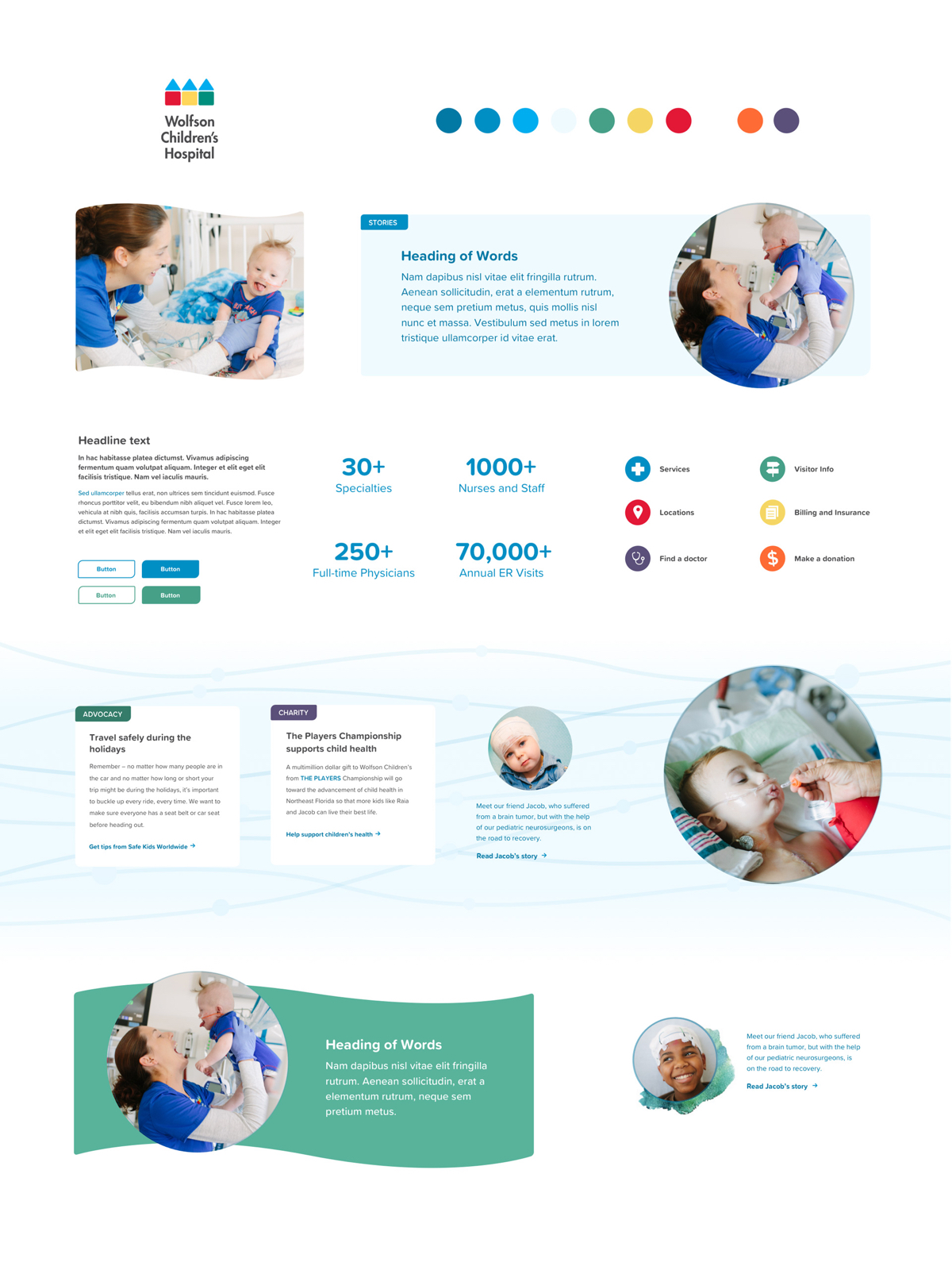
I defined the brand direction and patterns for a new responsive website. The components needed to be immediately legible and trustworthy for patients under high-stakes conditions.
We built Drizzle, our own open-source pattern library, to give us greater flexibility in structure and presentation than existing tools allowed at the time. A core feature was a robust prototyping sandbox where designs built from the components could be explored and demonstrated. I contributed to both the conceptual direction and the actual development.
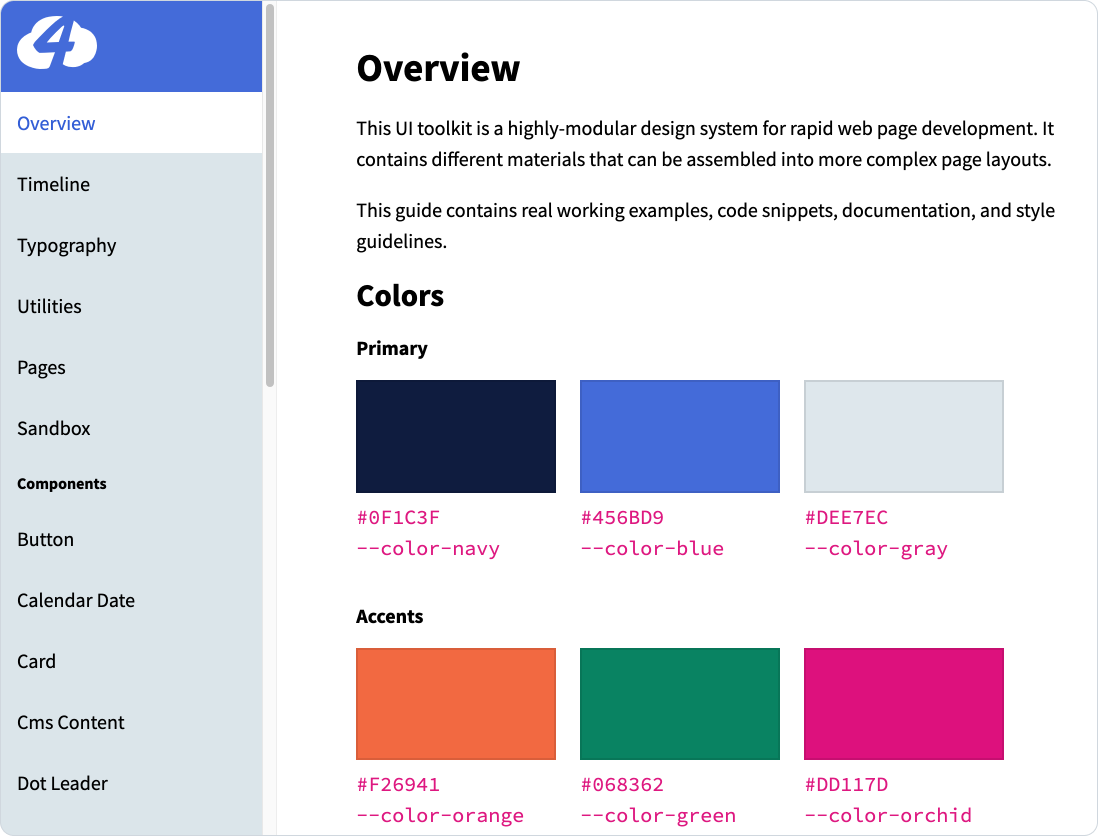
At TeamSnap, the design system existed in name only — undocumented, living inside a monolithic codebase we were actively trying to deprecate, with no shared component library across our services and apps.
I proposed building a freestanding component library that could be used across the entire product. I presented the approach to leadership and engineering, got approval, and built it — using Drizzle as a base, rewriting existing CSS to use a BEM naming convention, and documenting the full system with an extensive utility library for flexible layout development.
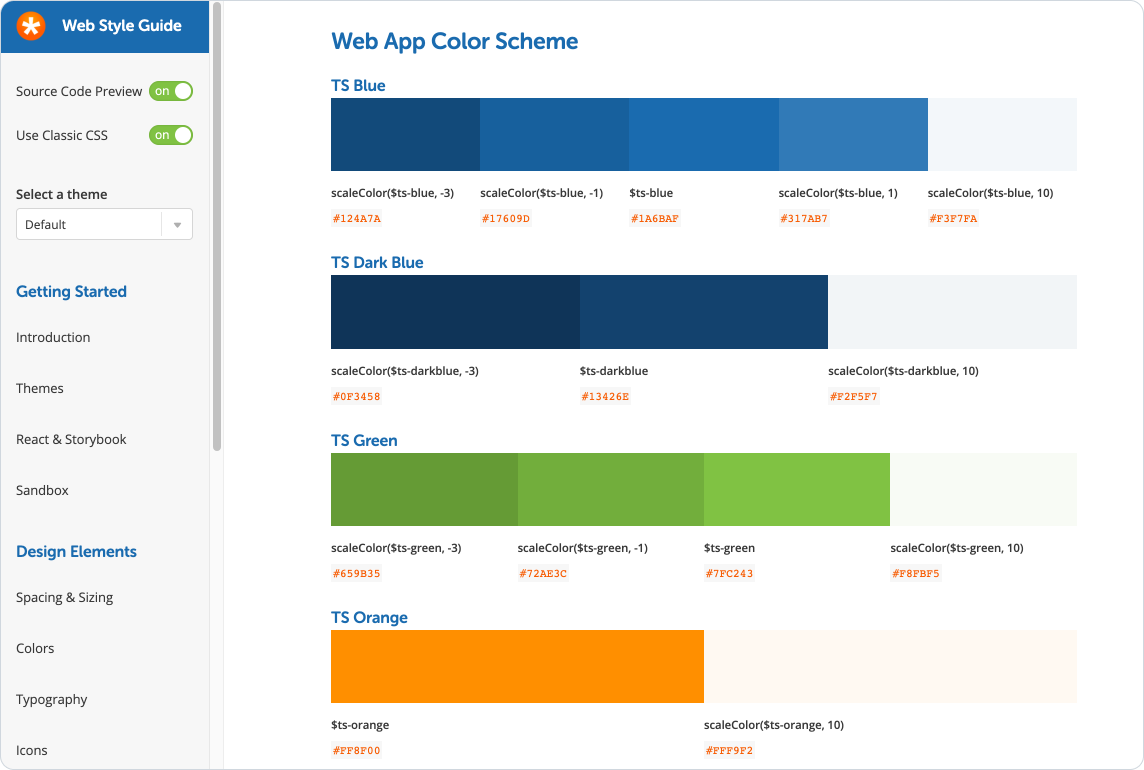
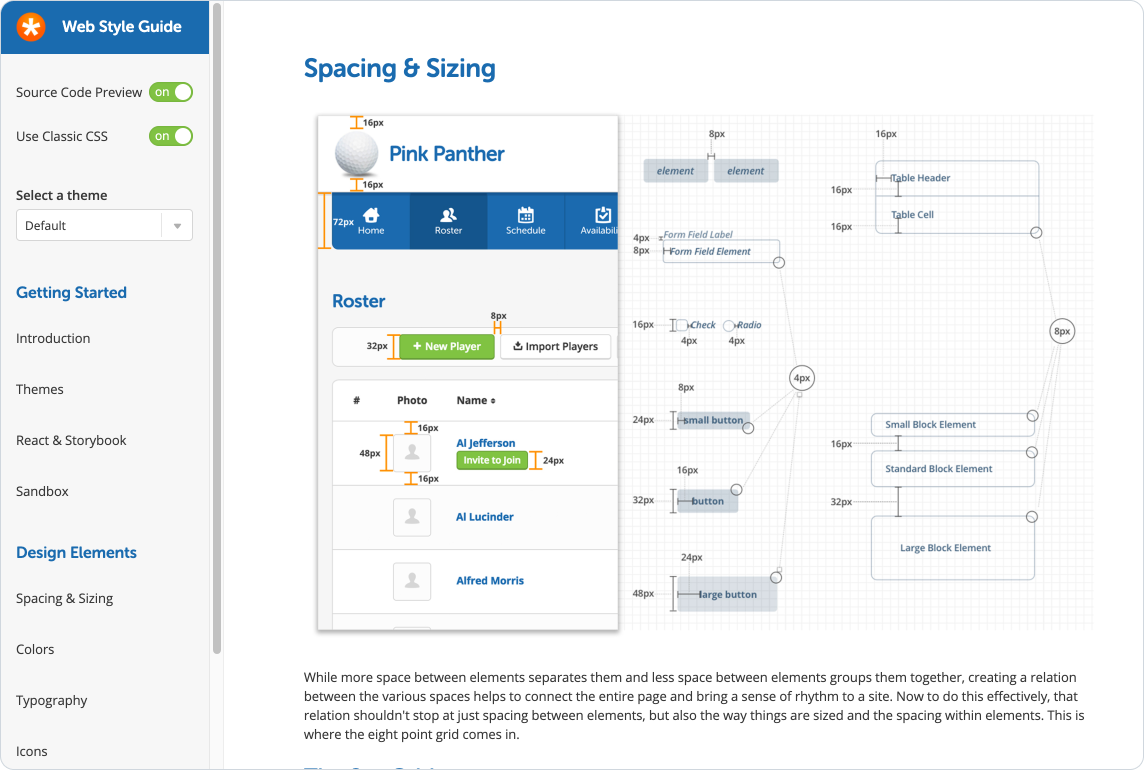
TeamSnap UI shipped and was adopted across more than two dozen repositories. We added React components over time and transitioned to Storybook for documenting JS and CSS components with greater flexibility. I led the charge from proposal through implementation.
When Korey's brand direction shifted, I was responsible for bringing the new look and feel into the product.
I started by restructuring the token architecture around semantic mapping — abstracting color, typography, and surface decisions so the product could support multiple concurrent themes without touching component-level code.
I asked the agent for approach ideas early on, but none of them were right — they solved the immediate problem without building for the flexibility I knew we'd need. I came up with the semantic mapping architecture myself, then used an agent to execute it systematically while I maintained oversight and QA'd the output. The result shipped cleanly and Korey now has a token foundation that can flex with the brand as it evolves.